Call us now :08037734505
 Send Inquiry
Jet Fan
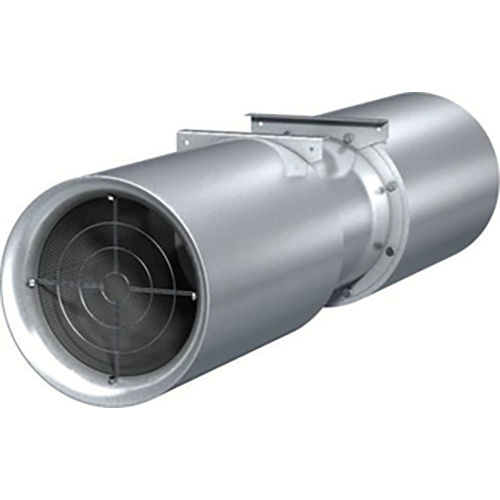
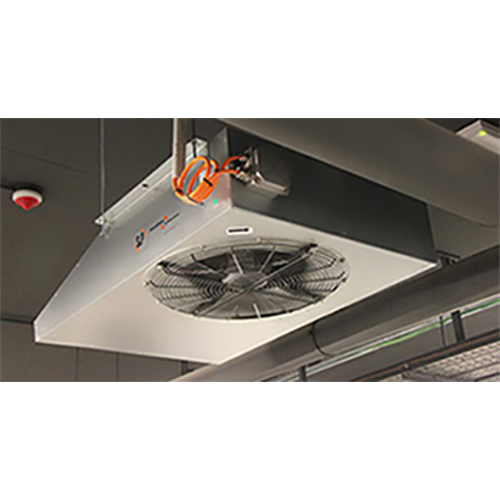
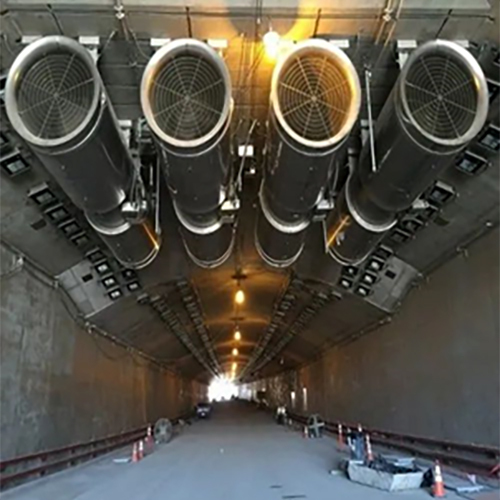
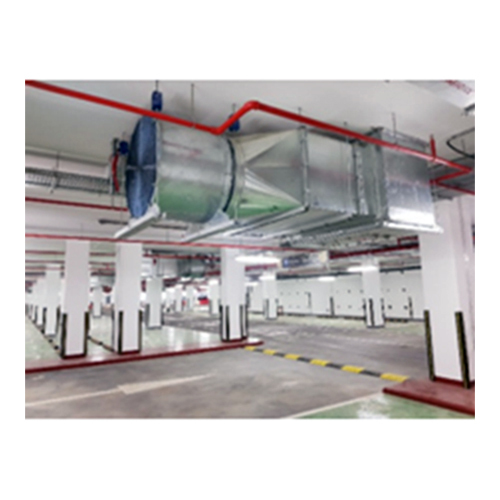

Jet Fan Specification
- Surface Finish
- Powder Coated
- Filtration Property
- No Filtration
- Technology
- Axial Flow
- Application
- Tunnels, Underground Parking, Industrial Ventilation
- Frequency
- 50 Hz
- Mounting Type
- Ceiling / Wall Mounted
- Shape
- Cylindrical
- Noise Level
- 68 dB(A)
- Humidity Range
- Up to 95%
- Energy Efficiency Rating
- Class A
- Coverage Area
- Up to 500 m2
- Motor Speed
- 2800 RPM
- Power Source
- Electric
- Air Flow Capacity
- 2500 m3/h
- Automation Grade
- Semi-Automatic
- Accessories
- Mounting Brackets, Control Panel
- Features
- Corrosion Resistant
- Material
- Galvanized Steel
- Type
- Jet Fan
- Power
- 1.5 kW
- Voltage
- 220-240 V
- Capacity
- 2500 m3/h
- Installation Type
- Duct Mount
- Usage
- Industrial
- Function
- Ventilation / Air Circulation
- Operating Temperature
- -10C to 60C
- IP Rating
- IP54
- Direction of Flow
- Unidirectional
- Number of Blades
- 6
- Blade Material
- Aluminium
About Jet Fan
A jet fan is a type of fan that moves large volumes of air by creating a high-velocity jet stream. Jet fans are used in ventilation systems for car parks and garages to provide fresh air and remove harmful emissions. They are also known as impulse or induction fans.
Here are some things to know about jet fans:
Reliable Industrial Ventilation
Specially designed for demanding environments such as tunnels, underground parking, and other industrial spaces, this jet fan provides consistent ventilation and air circulation. Its sturdy galvanized steel body with powder coating resists corrosion and wear, while the aluminium blades ensure efficient airflow. The IP54 protection safeguards against dust and splashing water, making it suitable for humid and harsh conditions.
Efficient and Durable Performance
Operating at 220240 V and delivering 2500 m/h airflow, this jet fan is both energy-efficient and powerful. The motor boasts a 1.5 kW rating and reaches speeds up to 2800 RPM, enabling effective ventilation even in expansive industrial settings. Its semi-automatic control and advanced axial flow technology ensure smooth, reliable operation over extended periods.
FAQs of Jet Fan:
Q: How is the jet fan installed in an industrial facility?
A: The jet fan is designed for duct mounting and can be installed on both ceilings and walls using the provided mounting brackets. Its cylindrical shape and semi-automatic setup make the installation process straightforward, typically requiring alignment over ducts in the desired ventilation zone.Q: What environments are suitable for using this jet fan?
A: This fan is ideal for industrial spaces such as tunnels, underground parking areas, and large ventilation zones due to its high humidity tolerance (up to 95%), broad temperature range (-10C to 60C), and corrosion-resistant finish.Q: When should the jet fan be used for optimal performance?
A: It is best used whenever effective ventilation and consistent air circulation are required, especially in enclosed or high-occupancy industrial areas. The jet fan operates efficiently under continuous or scheduled usage due to its robust motor and energy-efficient design.Q: Where should I mount the jet fan for best airflow?
A: For optimal results, mount the fan along ducts on ceilings or walls in areas with restricted airflow, such as tunnel entrances, exits, or central points within underground facilities. The unidirectional flow ensures targeted ventilation in these critical spots.Q: What are the key benefits of using this jet fan?
A: Users benefit from strong air movement (2500 m/h), energy efficiency (Class A rating), low maintenance needs, and extended durability owing to its powder-coated, galvanized steel construction. It also supports safe operation in humid and dust-prone environments thanks to its IP54 rating.Q: Does the fan include any air filtration features?
A: No, this jet fan is intended solely for air movement and ventilation. It does not provide air filtration. If air purification is required, a separate filtration system should be installed in conjunction.Tell us about your requirement

Price:
Quantity
Select Unit
- 50
- 100
- 200
- 250
- 500
- 1000+
Additional detail
Mobile number
Email


 Send Inquiry
Our Products
- Ductable AC
- Centralised Air Conditioning
- Heat Pump
- HVAC System
- Package AC
- Duct Cooler
- Evaporater Air Cooler
- Blue Star Ductable AC
- VRF System
- Kitchen Exhaust
- Clean Room AC Work
- Chilled Water Unit
- SS Hood
- Jet Fan
- Parking Ventilation
- Ducting Work
- Clean Room Panel
- Electrical Panel
- Commercial Kitchen Exhaust Fan
- Industrial Chiller
- Daikin Ductable AC
- Carrier Ductable AC
- Symphony Air Cooler
- Caryaire Ventilation Fan
- Midea Chilled Water AC Unit or FCU
- Air Washer
- Jet Fan for Car Parking
- Duct Insulation
- Air Handling Unit
- Cassettes AC
- Exhaust Fan
- Fan Coil Unit
- Ducting Fabrication Services
- AC Units


No 12-1-485/131/A, Asifnagar,Hyderabad - 500028, Telangana, India

Mr. Altaf
(Proprietor)
Mobile :08037734505
 Send Inquiry
 Send SMS
 Call Me Free
Developed and Managed by Infocom Network Private Limited.


