Call us now :08037734505
 Send Inquiry
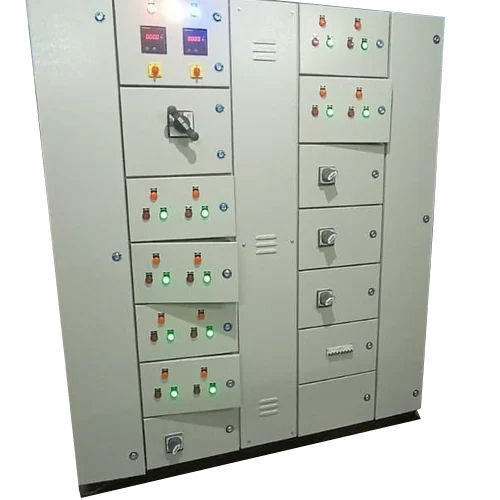
Electrical Panel
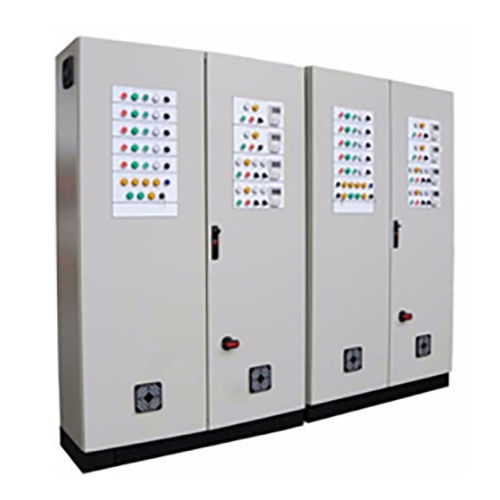
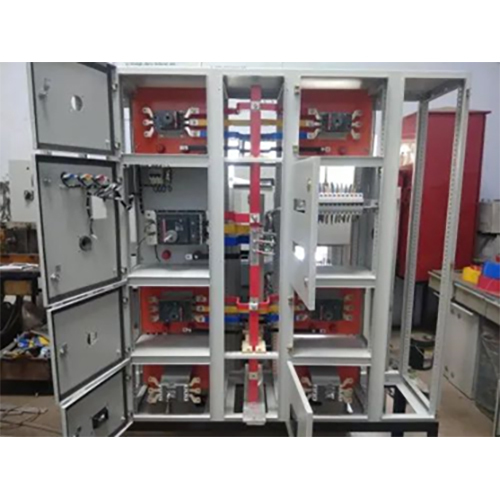
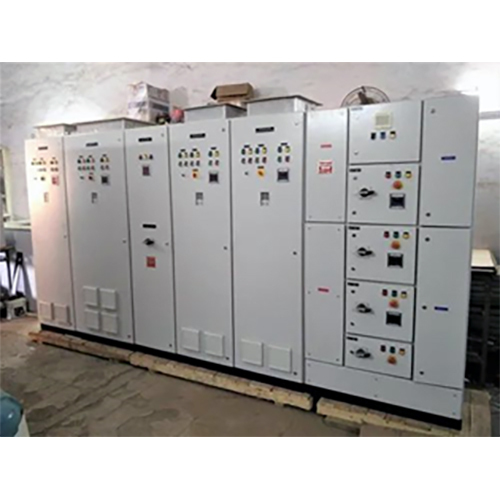

Electrical Panel Specification
- Components
- MCB, MCCB, Busbar, Terminal Blocks
- Current Rating
- Up to 630 A
- Protection Level
- IP42
- Cabinet Material
- Mild Steel Sheet
- Connectivity Type
- Cable Gland Entry
- Features
- Corrosion resistant body, Easy installation, Compact design
- Base Material
- Mild Steel
- Thickness
- 1.6 mm
- Rated Insulation Voltage
- 690 V
- Control System
- Manual
- Way
- Double Door
- Cooling System
- Natural Air Cooling
- Rated Current
- Up to 630 A
- Panel Type
- Distribution Panel
- Rated Operation Voltage
- 415 V
- Cover Material
- Powder-Coated Steel
- Operating Voltage
- 415 V
- Protection Class
- Class I
- Product Type
- Electrical Panel
- Material
- Mild Steel (MS)
- Surface Finish
- Powder Coated
- Standard
- IEC 61439 / IS 8623
- Surface Color
- Grey
- Rated Voltage
- 415 V AC
- Frequency (MHz)
- 50 Hz
- Maximum Output Current
- 630 A
- Dimension (L*W*H)
- 800 mm x 600 mm x 300 mm
- Application
- Industrial Power Distribution
- IP Rating
- IP42
- Display Type
- Analog Meter
- Mounting Type
- Wall/Floor
- Door Type
- Double Door with Lock & Key
- Operating Temperature
- -10°C to 55°C
- Compliance
- RoHS Compliant
- Busbar Material
- Electrolytic Copper / Aluminium
- Weight
- Approx. 35 kg
- Enclosure Type
- Floor Mounted
- Voltage Indicator
- LED/Neon Lamp
- Protection Relays
- Overload & Short Circuit
- Number of Phases
- Three Phase / Single Phase
- Cable Entry
- Top & Bottom
About Electrical Panel
An electrical panel, also known as a breaker box, is a central hub that manages and distributes electricity in a building. It contains various electrical components that work together to control and monitor the flow of electricity.
Description
Safety
Reliable Industrial Power Distribution
Ideal for factories and commercial complexes, this electrical panel ensures seamless and secure distribution of electrical power. Its sturdy fabrication and high protection class (IP42) defend equipment and infrastructure against environmental factors. With a compact yet spacious design, it accommodates multiple safety components for uninterrupted power flow.
High Quality Material & Safety Compliance
Constructed with high-grade mild steel and powder-coated steel, the panel is engineered to resist corrosion and mechanical stress. RoHS compliance and adherence to IEC/IS standards assure environmental safety and performance integrity. Integrated protection relays guard against overloads and short circuits.
Flexible Installation & Operation
Conveniently mounted on the floor or wall, the panel suits diverse site requirements. Cable entry options at both top and bottom facilitate hassle-free wiring and maintenance. The double door with lock and key enhances panel security while supporting easy access for service and upgrades.
FAQ's of Electrical Panel:
Q: How is this electrical panel installed in an industrial facility?
A: The panel can be floor-mounted or wall-mounted, depending on site requirements. Secure the enclosure using appropriate fixing hardware and ensure cable gland entries from the top or bottom are used for safe wiring. Installation should be performed by a qualified electrician as per IEC 61439 or IS 8623 standards.Q: What are the main components included in this distribution panel?
A: Key components inside the panel include MCBs (Miniature Circuit Breakers), MCCBs (Molded Case Circuit Breakers), busbars made of electrolytic copper or aluminium, terminal blocks, control systems with manual operation, and analog meters for monitoring. Protection relays for overload and short-circuit safeguarding are standard.Q: When should overload and short circuit protection relays be used?
A: Overload and short circuit protection relays are essential whenever the electrical panel manages power distribution to multiple circuits or equipment. These relays automatically disconnect supply in case of excessive current flow or faults, preventing damage to connected devices and wiring.Q: Where should cable entries be positioned during installation?
A: The electrical panel features cable gland entries at both the top and bottom, allowing installation flexibility. Choose the entry point based on site layout and cable routing to ensure safe and neat connections, following recommended electrical safety codes.Q: What process is followed for maintaining the panel's safety features?
A: Regular inspection should include checking busbar connections, ensuring all protection relays (overload and short circuit) are functional, verifying the operation of LED/neon voltage indicators, and inspecting for signs of corrosion on mild steel surfaces. Maintenance should be carried out by trained personnel to uphold compliance standards.Q: How does the panel benefit industrial power management?
A: This panel provides reliable current control and overload protection, maximizing equipment safety and operational uptime. Its IP42-rated enclosure and corrosion-resistant body extend lifespan, while user-friendly cable entry and double-door access simplify installation and servicing.Q: What usage scenarios is this panel suitable for?
A: The panel is engineered for industrial power distribution applications, such as factories, warehouses, and commercial buildings in India. It handles both single-phase and three-phase power, suitable for current ratings up to 630 A and voltages up to 415 V AC.Tell us about your requirement

Price:
Quantity
Select Unit
- 50
- 100
- 200
- 250
- 500
- 1000+
Additional detail
Mobile number
Email

More Products in Electrical Panel Category
Electric Control Panel
Minimum Order Quantity : 1 Unit
Material : Other, CRCA Sheet Metal
Product Type : Control Box
Rated Voltage : 400415 Volt (V)
Surface Finish : GI Galvanized
Surface Color : Any Color

 Send Inquiry
Our Products
- Ductable AC
- Centralised Air Conditioning
- Heat Pump
- HVAC System
- Package AC
- Duct Cooler
- Evaporater Air Cooler
- Blue Star Ductable AC
- VRF System
- Kitchen Exhaust
- Clean Room AC Work
- Chilled Water Unit
- SS Hood
- Jet Fan
- Parking Ventilation
- Ducting Work
- Clean Room Panel
- Electrical Panel
- Commercial Kitchen Exhaust Fan
- Industrial Chiller
- Daikin Ductable AC
- Carrier Ductable AC
- Symphony Air Cooler
- Caryaire Ventilation Fan
- Midea Chilled Water AC Unit or FCU
- Air Washer
- Jet Fan for Car Parking
- Duct Insulation
- Air Handling Unit
- Cassettes AC
- Exhaust Fan
- Fan Coil Unit
- Ducting Fabrication Services
- AC Units


No 12-1-485/131/A, Asifnagar,Hyderabad - 500028, Telangana, India

Mr. Altaf
(Proprietor)
Mobile :08037734505
 Send Inquiry
 Send SMS
 Call Me Free
Developed and Managed by Infocom Network Private Limited.


