Call us now :08037734505
 Send Inquiry
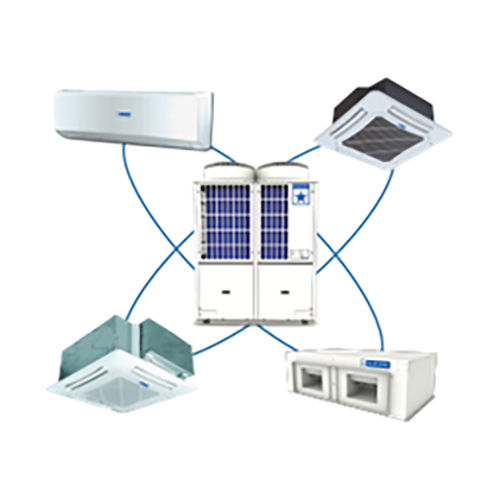
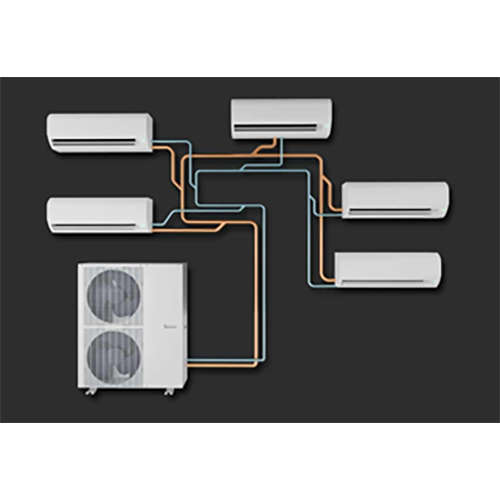
VRF Variable Refrigerant Flow

VRF Variable Refrigerant Flow Specification
- Temperature Control
- Digital / Microprocessor
- Power Consumption
- Varies (highly efficient, model dependent)
- Compressor
- Twin Rotary / Scroll
- Place of Origin
- India
- Running Current
- 22 90 A
- Dimension (L*W*H)
- 1380 x 780 x 1700 mm (typical)
- Mounting
- Floor Standing
- Sensible control
- Yes
- Power Mode
- Automatic / Manual
- Power Supply
- 380-415V, 3Ph, 50Hz
- Heating Capacity
- 31.5 kW 180 kW
- Indoor Fan Input
- 60 250 W (per unit)
- Refrigerant
- R410A
- Cooling Capacity
- 28 kW 168 kW
- Filtration Grade
- Standard
- Condition
- New
- Outdoor Fan Input
- 450 900 W
- Air Flow Capacity
- Up to 22,500 m/h
- Type Of Compressor
- Inverter
- Type
- Outdoor VRF unit
- Cooling/Heating
- Both
- Capacity
- From 8 HP to 60 HP (28 kW to 168 kW)
- Power Source
- Electric
- Voltage
- 380-415V / 3 Phase / 50Hz
- Color
- White/Grey
- Weight (kg)
- 350 - 950 kg (varies by model)
- Working Temperature
- -5C to 52C
- Fan Speed
- Multi-speed
- Noise Level
- As low as 55 dB(A)
- Energy Efficiency Rating
- Up to 4.5
- Remote Operated
- Yes
- Maximum Indoor Unit Connection
- Up to 64
- Oil Balance Control
- Integrated intelligent management
- Display
- Digital LED (for system status)
- Defrost Control
- Automatic
- System Control
- Centralized, BMS compatible
- Piping Length
- Up to 1000 m total equivalent, 165 m actual
- Sound Pressure Level (Outdoor)
- 58 dBA
- Pipe Diameter (liquid/gas)
- 9.52/22.2 mm and up depending on unit size
- Ambient Temperature Range
- -5C ~ 52C (cooling), -15C ~ 24C (heating)
- Humidity Control
- Available
- Protection Functions
- Overload, overcurrent, phase protection, high/low pressure
- Applicable Area
- Large commercial & residential buildings
About VRF Variable Refrigerant Flow
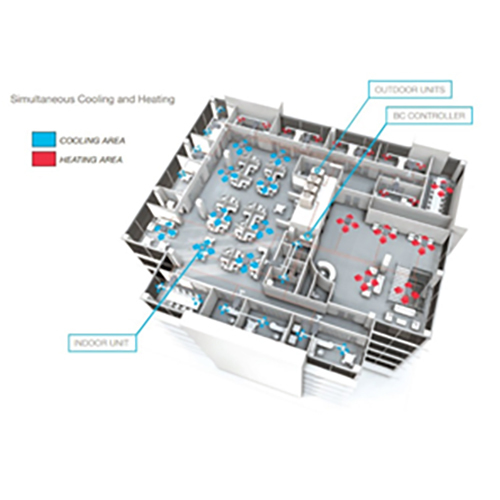
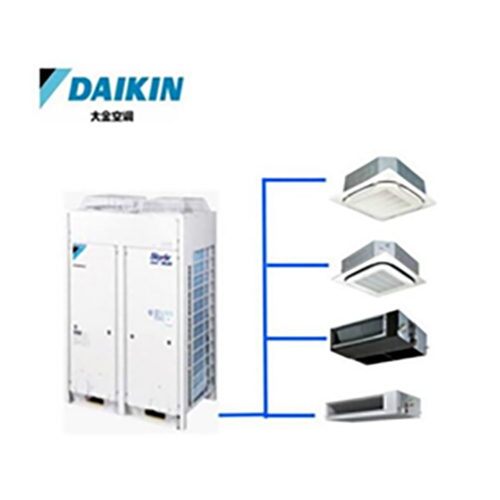
A Variable Refrigerant Flow (VRF) system is an HVAC system that uses refrigerant to provide heating and cooling to multiple zones in a building. VRF systems are also known as variable refrigerant volume (VRV) systems, though VRV is a trademark of Daikin Industries, Ltd.
Here are some features of VRF systems:
Heat pump or cooling system
High Capacity and Flexibility
Designed for large spaces, this VRF system connects up to 64 indoor units, supporting extensive piping runs up to 1000 meters. Multiple fan speeds, varied capacities (8-60 HP), and advanced inverter technology ensure adaptable, efficient operation for large-scale or multi-zone projects in commercial or residential properties.
Centralized Intelligent Control
Seamless integration with Building Management Systems (BMS) and centralized digital controls enable real-time monitoring and adjustment of temperature, humidity, and airflow. The user-friendly LED display provides system status, while remote operation enhances convenience and control across expansive buildings.
Reliable Performance and Protection
With sound levels as low as 55 dB(A) and comprehensive built-in protections-overload, phase, and pressure safeguards-this VRF unit ensures consistent, quiet cooling and heating. Automatic defrost and intelligent oil balance reduce maintenance needs, promoting stable long-term performance.
FAQ's of VRF Variable Refrigerant Flow:
Q: How does the VRF system manage multiple indoor units in large buildings?
A: This VRF system is capable of connecting up to 64 indoor units, allowing for precise temperature and humidity control in different zones. Its centralized, BMS-compatible control means that you can easily monitor and manage all units from one location, streamlining climate management in large buildings.Q: What benefits does automatic defrost and oil balance provide for the VRF system?
A: Automatic defrost ensures efficient operation during cold weather, preventing ice buildup on the outdoor unit. Integrated intelligent oil balance management maintains optimal compressor performance, reducing maintenance requirements and extending the lifespan of system components.Q: When should centralized control and BMS compatibility be utilized?
A: Centralized control and BMS integration are most valuable in properties with multiple zones or extensive indoor unit networks, such as office buildings, hotels, or multi-storey residences. These features provide unified management, enhance energy saving, and simplify maintenance processes.Q: Where is this VRF system best installed?
A: This system is ideal for large commercial complexes, hotels, hospitals, and premium residential buildings in India requiring customizable cooling and heating. Its extensive piping length and varied unit capacities make it suitable for both new constructions and retrofit applications.Q: What protection and efficiency features does the VRF system offer?
A: The unit incorporates comprehensive protection against overload, overcurrent, phase loss, and high/low pressure events. With an energy efficiency rating up to 4.5 and inverter-driven compressors, the system delivers reliable performance with reduced power consumption.Q: How does the VRF system maintain comfort across different weather conditions?
A: With a wide ambient temperature range for both cooling (-5C to 52C) and heating (-15C to 24C), the system ensures year-round comfort. Digital microprocessor controls deliver precise temperature and humidity management, regardless of external climate fluctuations.Tell us about your requirement

Price:
Quantity
Select Unit
- 50
- 100
- 200
- 250
- 500
- 1000+
Additional detail
Mobile number
Email

More Products in VRF System Category
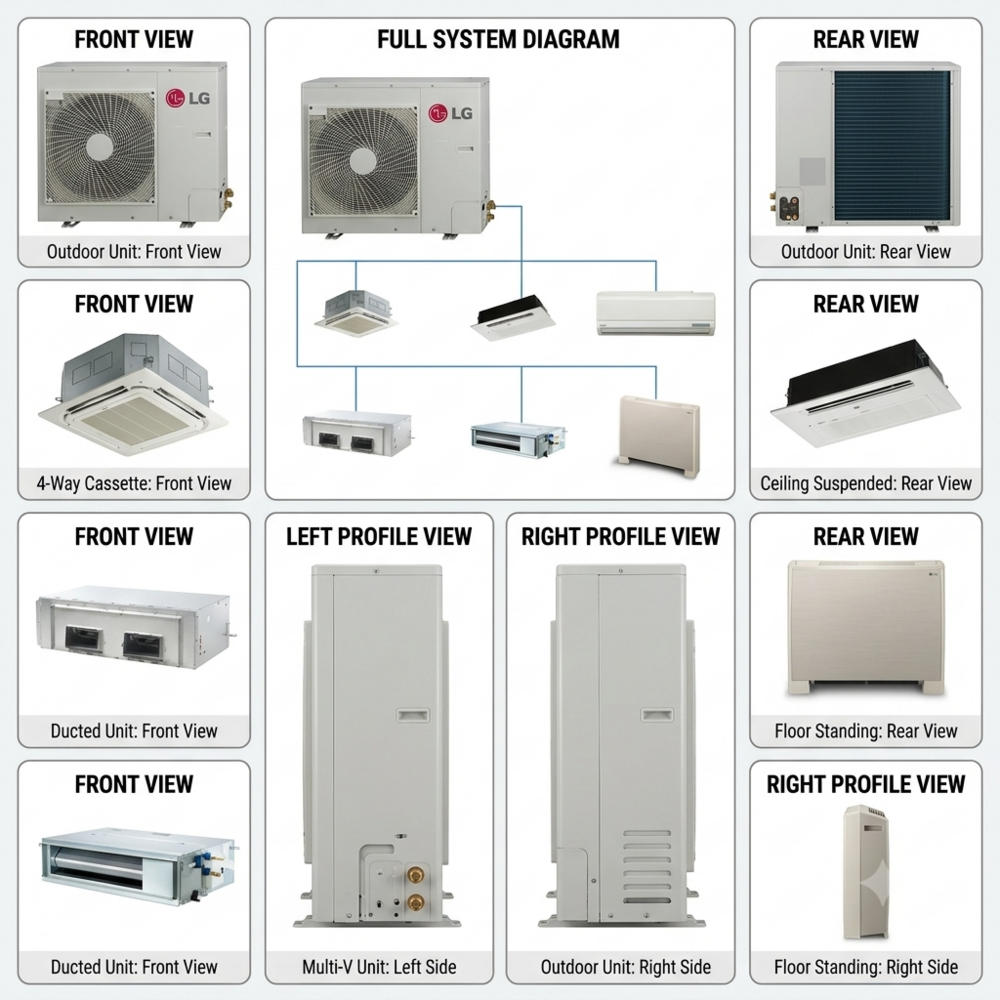
LG VRF System
Price 50000 INR / Unit
Minimum Order Quantity : 1 Unit
Condition : New
Color : White
Mounting : Wall Mounted
Power Mode : AC
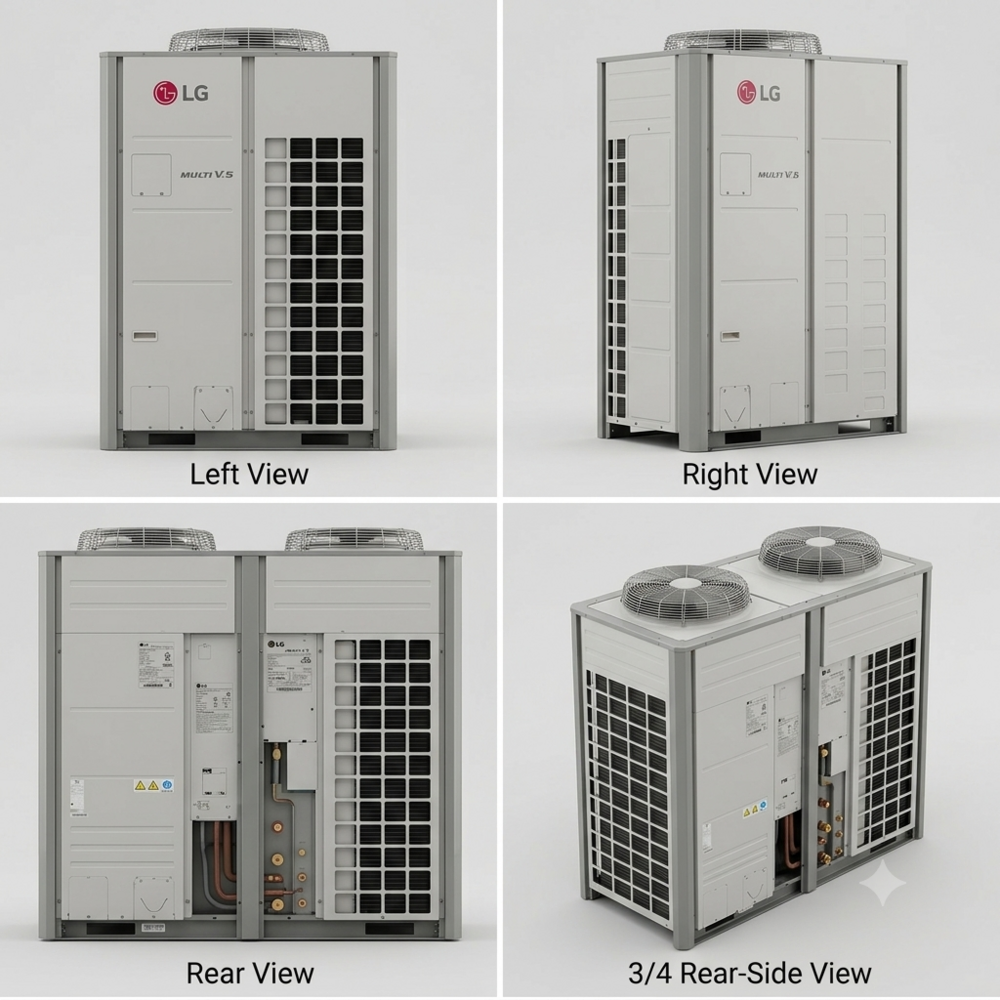
AC VRF System
Price 10000 INR / Unit
Minimum Order Quantity : 1 Unit
Condition : New
Color : White
Mounting : Floor Standing
Power Mode : AC
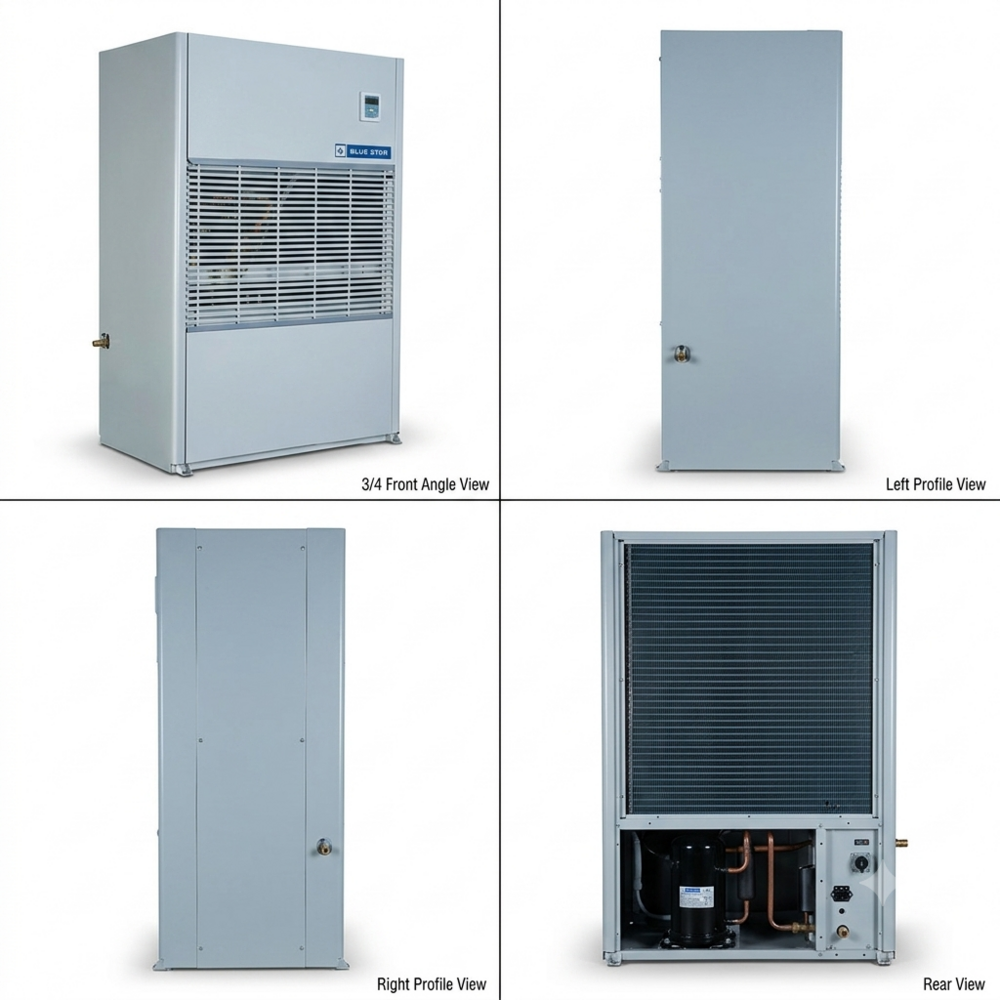
Blue Star Package AC
Price 35000 INR / Unit
Minimum Order Quantity : 1 Unit
Condition : New
Color : White
Mounting : Floor Standing
Power Mode : AC
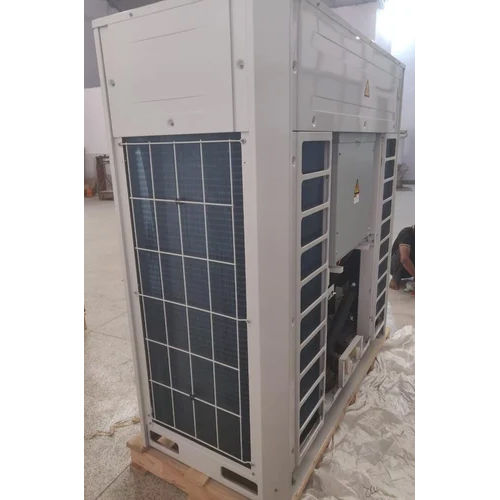
Blue Star VRF System
Minimum Order Quantity : 1 Unit
Condition : New
Color : White
Mounting : Floor Standing
Power Mode : AC

 Send Inquiry
Our Products
- Ductable AC
- Centralised Air Conditioning
- Heat Pump
- HVAC System
- Package AC
- Duct Cooler
- Evaporater Air Cooler
- Blue Star Ductable AC
- VRF System
- Kitchen Exhaust
- Clean Room AC Work
- Chilled Water Unit
- SS Hood
- Jet Fan
- Parking Ventilation
- Ducting Work
- Clean Room Panel
- Electrical Panel
- Commercial Kitchen Exhaust Fan
- Industrial Chiller
- Daikin Ductable AC
- Carrier Ductable AC
- Symphony Air Cooler
- Caryaire Ventilation Fan
- Midea Chilled Water AC Unit or FCU
- Air Washer
- Jet Fan for Car Parking
- Duct Insulation
- Air Handling Unit
- Cassettes AC
- Exhaust Fan
- Fan Coil Unit
- Ducting Fabrication Services
- AC Units


No 12-1-485/131/A, Asifnagar,Hyderabad - 500028, Telangana, India

Mr. Altaf
(Proprietor)
Mobile :08037734505
 Send Inquiry
 Send SMS
 Call Me Free
Developed and Managed by Infocom Network Private Limited.


