Call us now :08037734505
 Send Inquiry
Water Cooled Chiller
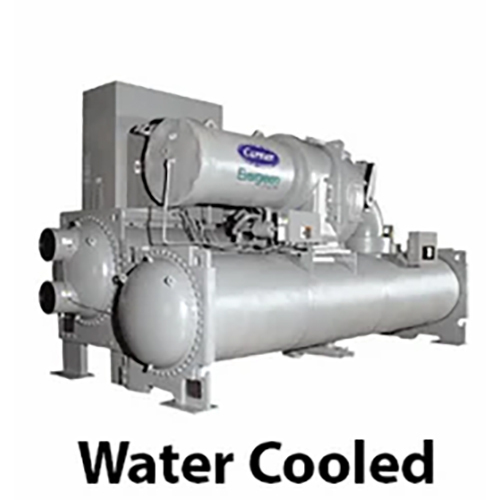

Water Cooled Chiller Specification
- Motor
- High Efficiency Electric Motor
- Material
- Other
- Refrigerating Capacity
- 10 TR (Ton of Refrigeration)
- Application
- Industrial Cooling, Process Cooling, HVAC
- Condition
- New
- Type
- Water Cooled Chiller
- Dimension (L*W*H)
- 1450 mm x 900 mm x 1550 mm Millimeter (mm)
- Power Supply
- 3 Phase, 50 Hz
- Voltage
- 415 Volt (v)
- Cooling Type
- Water Cooled
- Nozzle Material
- Brass
- Cooling Coil Material
- Copper with Aluminium Fins
- Water Flowing Rate
- 1.2 m/h
- Water Pump Motor
- 1.5 HP
- Noise Control
- Low Noise Operation (<70) db
- Compressor
- Hermetically Sealed Scroll Type
- Control Panel
- Microprocessor Based Automatic Control
- Display
- Digital Temperature and Fault Display
- Insulation Material
- High-Density Polyurethane Foam
- Expansion Valve
- Thermostatic Expansion Valve
- Maximum Operating Pressure
- 1.6 MPa
- Chiller Weight
- Approx. 400 kg
- Safety Features
- Overload Protection, Low/High Pressure Cutoff, Phase Failure Relay
- Evaporator Type
- Shell & Tube
- Water Tank Capacity
- 60 Litres
- Refrigerant
- R-22 / R-407C / R-134a (as per requirement)
- Operating Temperature Range
- 5C to 25C
- Pipe Connection Size
- 1.5 Inch Inlet/Outlet
About Water Cooled Chiller
A chiller is a machine that removes heat from a liquid or air and transfers it to a cooling medium, such as water or air. Chillers are used in a variety of settings, including commercial buildings, factories, and industrial processes.
Here are some things to know about chillers:
- How they work: Chillers use a refrigeration cycle to absorb heat from a liquid and release it elsewhere. The liquid is then circulated through a building to absorb heat and cool the space.
- Types: There are different types of chillers, including vapor compression, absorption, and adsorption chillers. Chillers can also be air-cooled or water-cooled.
Uses : Chillers are used in a variety of applications, including:
- Metal finishing: Chillers can remove excess heat from processes like electroplating and electroless plating.
- Injection molding: Chillers can supply a stream of supercooled fluid to cool the mold during plastic part manufacturing.
- Plastic manufacturing: Chillers can help maintain the quality of plastic products during the extrusion process.
Systems: Chillers can be open-loop or closed-loop systems. Open-loop systems expose water to the outside, while closed-loop systems keep the liquid flowing through a sealed system.
Advanced Automatic Control
Engineered with a microprocessor-based automatic control panel, this chiller ensures user-friendly operation and precise adjustment of parameters. The onboard digital display provides instant feedback on temperature and fault conditions, facilitating quick monitoring and efficient management of the cooling process.
Optimized for Industrial Efficiency
Designed to deliver consistent performance in process cooling, HVAC, and industrial applications, this chiller boasts reliable cooling from 5C to 25C. Its hermetically sealed scroll compressor, efficient water pump, and thermostatic expansion valve optimize energy use while maintaining exceptional reliability and low-noise operation.
FAQ's of Water Cooled Chiller:
Q: How does the microprocessor-based automatic control panel enhance chiller operation?
A: The microprocessor-based automatic control enables precise temperature regulation and automated system responses to varying load conditions. It simplifies operation, supports fault detection via the digital display, and helps maintain system efficiency and safety with minimal manual intervention.Q: What type of refrigerants are compatible with this water-cooled chiller?
A: This chiller can operate with R-22, R-407C, or R-134a refrigerants, which are selected based on application requirements and environmental compliance preferences.Q: When should the chiller be serviced to maintain optimal performance?
A: Regular maintenance is recommended every 6-12 months, depending on usage intensity. Routine checks should include inspection of the water tank, filters, pressure levels, refrigerant charge, and electrical connections to ensure reliable operation.Q: Where is this chiller most effectively used?
A: The system is ideally suited for industrial cooling, process cooling, and HVAC applications. It is designed for use in commercial and industrial facilities across India, where high-performance temperature regulation is required.Q: What is the typical process for installing the water-cooled chiller?
A: Installation involves positioning the unit on a stable, appropriately ventilated surface, connecting the 1.5-inch inlet/outlet pipes, ensuring correct electrical connections (3 phase, 415 V, 50 Hz), and charging with the selected refrigerant. Professional installation is recommended for safe and efficient setup.Q: How does the chiller ensure operational safety during use?
A: The system incorporates multiple safety features, including overload protection, low/high-pressure cutoff, phase failure relay, and a hermetically sealed compressor. These mechanisms guard against common risks, ensuring uninterrupted and safe operation.Q: What benefits does the insulated shell & tube evaporator provide?
A: The shell & tube evaporator, insulated with high-density polyurethane foam, delivers efficient heat exchange and minimizes energy loss. This design ensures better cooling performance and helps maintain low noise operation while improving overall energy efficiency.Tell us about your requirement

Price:
Quantity
Select Unit
- 50
- 100
- 200
- 250
- 500
- 1000+
Additional detail
Mobile number
Email

More Products in Industrial Chiller Category
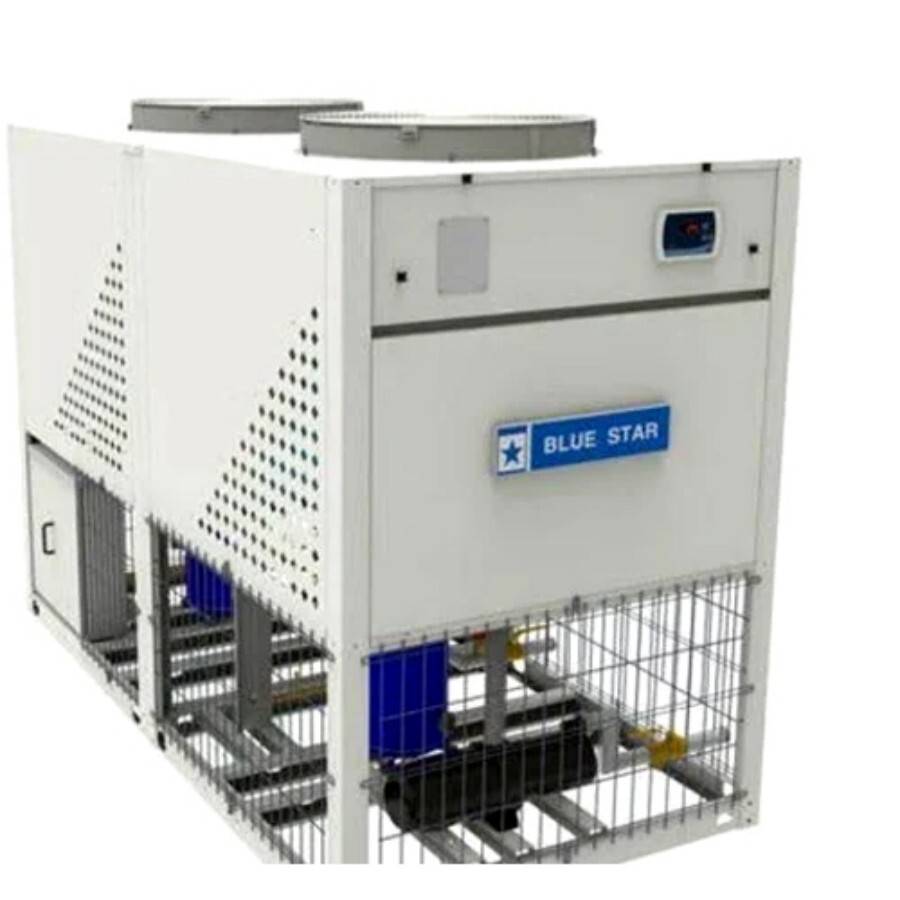
Bluestar Air Cooled Chiller
Price 58000 INR / Tonne
Minimum Order Quantity : 1 Tonne
Condition : New
Power Supply : Electric
Material : Aluminum
Voltage : 220240 Volt (v)
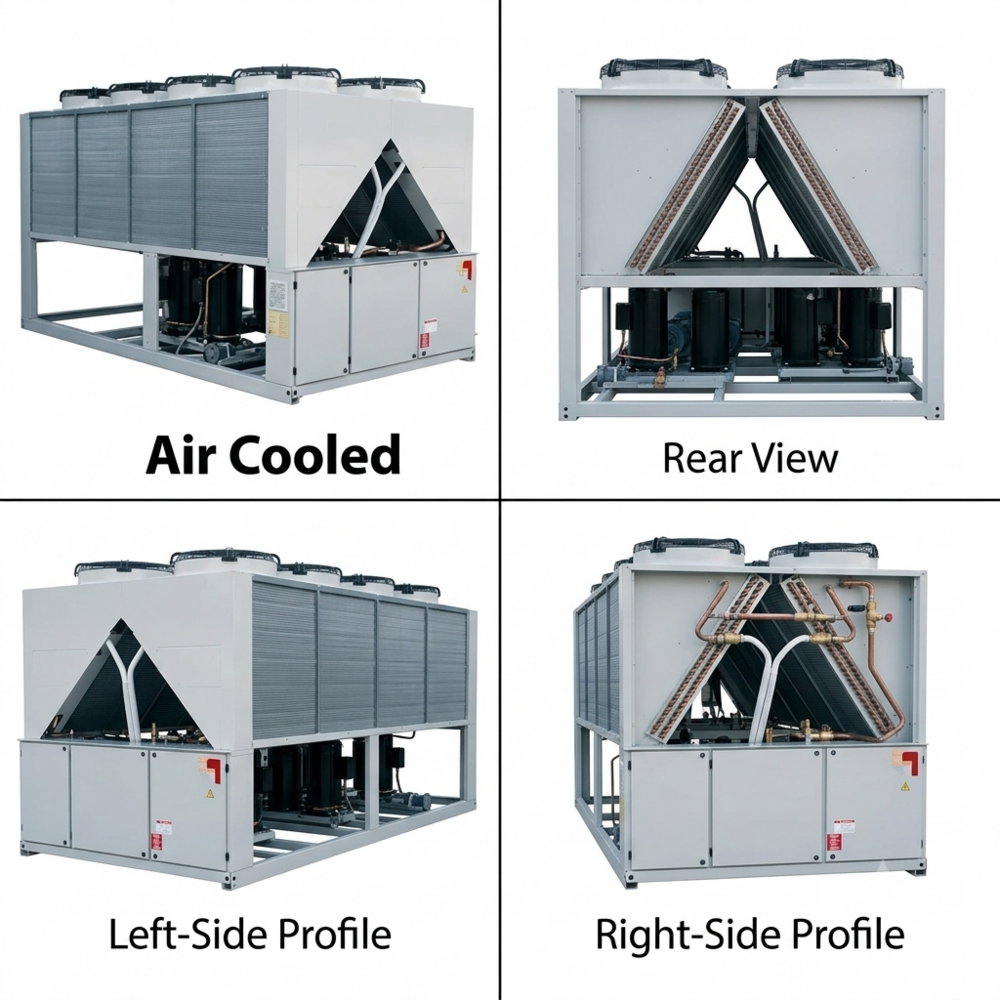
Air Cooled Chiller
Minimum Order Quantity : 1 Piece
Condition : New
Power Supply : 3 Phase, 415V, 50Hz
Material : Other
Voltage : 415 Volt (v)
Industrial Chiller
Condition : New
Power Supply : Three Phase
Material : Other , Mild Steel, Powder Coated
Voltage : 380415V, 50Hz
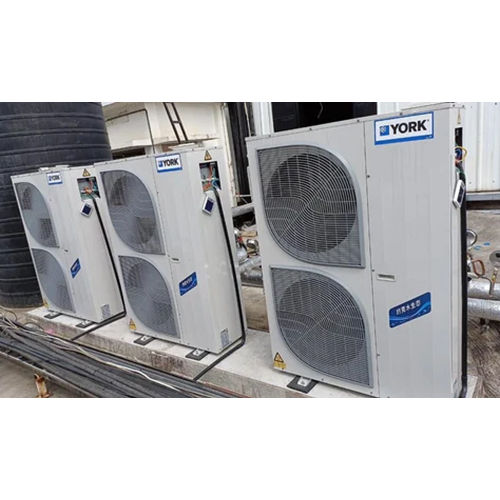
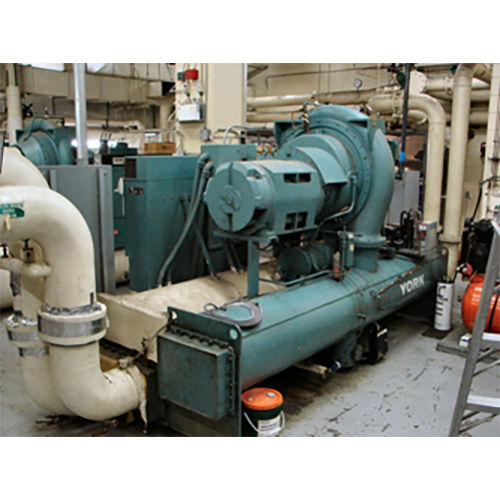
York Chiller
Price 120000 INR / Unit
Minimum Order Quantity : 1 Unit
Condition : New
Power Supply : Electric
Material : Aluminum
Voltage : 220240 Volt (v)

 Send Inquiry
Our Products
- Ductable AC
- Centralised Air Conditioning
- Heat Pump
- HVAC System
- Package AC
- Duct Cooler
- Evaporater Air Cooler
- Blue Star Ductable AC
- VRF System
- Kitchen Exhaust
- Clean Room AC Work
- Chilled Water Unit
- SS Hood
- Jet Fan
- Parking Ventilation
- Ducting Work
- Clean Room Panel
- Electrical Panel
- Commercial Kitchen Exhaust Fan
- Industrial Chiller
- Daikin Ductable AC
- Carrier Ductable AC
- Symphony Air Cooler
- Caryaire Ventilation Fan
- Midea Chilled Water AC Unit or FCU
- Air Washer
- Jet Fan for Car Parking
- Duct Insulation
- Air Handling Unit
- Cassettes AC
- Exhaust Fan
- Fan Coil Unit
- Ducting Fabrication Services
- AC Units


No 12-1-485/131/A, Asifnagar,Hyderabad - 500028, Telangana, India

Mr. Altaf
(Proprietor)
Mobile :08037734505
 Send Inquiry
 Send SMS
 Call Me Free
Developed and Managed by Infocom Network Private Limited.


